Lahore is one of Pakistan’s fastest-growing cities, drawing steady migration for jobs and business opportunities. That growth has put sustained pressure on housing supply — and the imbalance between demand and available quality homes remains one of the city’s defining real estate trends.
Top Reasons Behind Lahore’s Housing Shortage
Rapid Urbanization and Population Growth
As Lahore continues rapid urbanization, a steady influx of people from rural areas puts sustained pressure on existing infrastructure and housing stock.
Limited Urban Planning
Infrastructure planning — roads, water supply, and sewerage — hasn’t always kept pace with population growth, constraining how quickly new housing can come online.
Economic Factors
Rising construction material costs make it harder for developers to deliver affordable housing at scale, contributing to a persistent supply gap for lower- and middle-income buyers.
Land Use Policies
Land use patterns that favor commercial and luxury residential development over broader housing supply have compounded the shortage.
Environmental Constraints
Air quality and other environmental pressures have at times limited the pace of new construction approvals.
Where the Market Is Heading
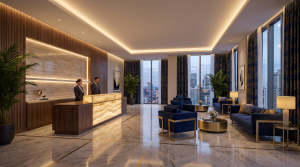
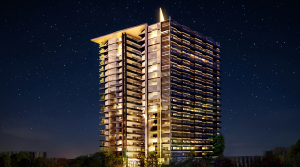
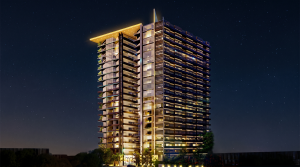
Against this backdrop, fully serviced apartment towers — which house more residents per acre of land than traditional housing — have become an increasingly important part of the solution. Projects like Autograph concentrate 367 residences on a single DHA plot, delivering land-efficient density without compromising on security or amenities.
Potential Solutions for the Housing Shortage
Promoting Efficient, Amenity-Rich Housing
Government and private developers collaborating on land-efficient, amenity-rich housing — the kind offered by serviced towers like Autograph — helps meet demand without the sprawl of low-density development.
Effective Urban Planning
Careful zoning and planning maximizes land use in developments such as Autograph and other major Lahore projects.
Public-Private Partnerships (PPPs)
Incentives such as tax breaks and subsidies can make private housing projects more viable at scale.
Utilizing Vacant Land
Identifying and developing vacant land in and around Lahore remains an important lever for closing the supply gap.
Infrastructure Development
Paved roads, reliable water and sanitation, and stable electricity all directly affect which residential projects succeed in attracting residents.
Regulatory Reforms
Streamlining approval processes for new construction reduces delays and financial losses for developers, which in turn speeds up delivery.
Sustainable and Green Housing
Developments with genuine green space are increasingly attractive to buyers and renters in a city facing real environmental pressure.
Technology and Innovation
Modern construction methods and building automation — the approach Autograph has taken with its smart BAS system — can reduce costs and speed up delivery timelines.
Conclusion
Solving Lahore’s housing shortage requires combined effort from government, private developers, and the public: promoting efficient housing, improving urban planning, and encouraging partnerships. Land-efficient, fully serviced projects like Autograph are part of how the city can meet demand without sacrificing quality of life.